
William Entriken





William Entriken

I don't run unsigned apps. 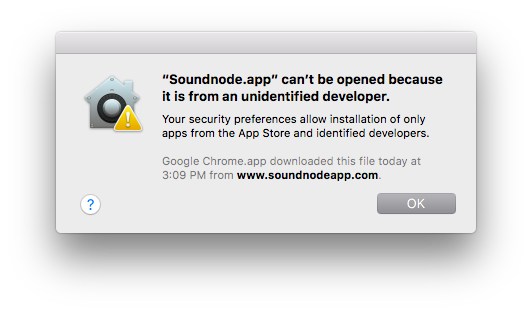
Please move all the wiki articles into the repository. There are currently normative statements in the Wiki. Those should be under code control and should be open to discussion/PR inside...
This PR creates implementable specifications for Plus Codes and Open Location Codes with minimal changes to what is currently published. And it removes all contradictory information in this project. In...
In the CPP implementation: > The codes can be easily read and remembered, and truncating codes converts > them from a point to an area, meaning that where extreme accuracy...
The README and FAQ here clarify: - That "**plus codes**" (always lower case, similar to "postal codes") are the things that baseline humans and postpeople are going to use to...
The [OLC naming guidelines](https://github.com/google/open-location-code/wiki/Naming-guidelines) specifies: > [Plus codes] should not be capitalised... However, the Google marketing website at https://maps.google.com/pluscodes/ repeatedly fails to follow these specifications. Plus codes is used in...
The specification at https://github.com/google/open-location-code/blob/master/docs/specification.md defines required functionality (e.g. function) for implementations. To improve consistency across implementations, tighten the specification to include recommended function names. For example: > * a method...
Our project introduction states: > Open Location Code is a technology that gives a way of encoding location into a form... > > https://github.com/google/open-location-code#open-location-code "Encoding" here implies that the encoder...
The document/specification/notes refer to the Earth as having a circumference of 111321 meters per degree of latitude. > NB: This table assumes one degree is 111321 meters, and that all...